

Your ₹8,000 top might be a plastic bottle
Decoding luxury for a country that sweats.
Let’s start with an uncomfortable thought. That shimmery “satin” top you bought for a wedding in Jaipur, the one that cost more than your electricity bill? There’s a good chance it was a plastic bottle in a former life.
Polyester is made from petroleum, from the same chemistry as the bottle your mineral water came in. It was invented in a British lab in the 1940s, and today it is the most-produced fibre on Earth. More than cotton. More than everything else.
And somewhere along the way, we started calling it luxury.
Quiet luxury had a glow-up. Fast fashion had a breakdown.
Think about the most expensive clothes in the world right now. Loro Piana built an empire on baby cashmere and vicuña, a wool so rare it comes from wild animals in the Andes. Brunello Cucinelli sells plain cashmere sweaters at the price of a second-hand car. The Row is famous for clothes that look like nothing until you touch them.
Remember Kendall Roy’s beige baseball cap in Succession? It looked like it cost ₹500. It was Loro Piana. That is quiet luxury: no logo, no shine, just a fabric so good only the wearer really knows. And the fabrics behind it are almost always natural: cashmere, silk, cotton and linen.
- Cashmere
- Linen
- Cotton
- Silk
- No visible logo
- “Silk-feel”
- “Satin-touch”
- “Luxe finish”
- Shine on everything
- Polyester inside
When a label has to tell you something feels like silk, it usually isn’t silk.

Handloom, khadi and muslin: India already knew this
Here is the twist: luxury fabric was practically invented here. Bengal muslin was so fine that legends say a full length could pass through a finger ring. Banarasi, Kanjeevaram, Chanderi, Maheshwari, and the handloom cotton our grandmothers wore through forty summers: this was the world’s luxury long before Milan existed.
Khadi became a symbol of freedom. Fabindia built a national brand on handwoven cotton. Raw Mango and Sabyasachi made handloom the most coveted thing at an Indian wedding again. Today’s sustainable fashion and slow fashion movements are, in many ways, India remembering what it always knew.
We are not a country that needs to be taught about natural fabric. We got distracted by a cheaper, shinier version of it.
The Mumbai local test: what is the best fabric for Indian summer?
Imagine wearing a plastic raincoat on a Mumbai local at 6 pm in May. Hot, sticky, nowhere for your body heat to go. Polyester is a thinner version of that raincoat. It does not absorb sweat; it traps it against your skin.

In a country where summer has three seasons (hot, hotter, and “why is it still 38 degrees in October”), breathability is not a nice-to-have. It is the luxury. If you are searching for breathable fabrics for summer, start with 100% cotton, linen or cotton-linen blends.


Fast fashion vs slow fashion: the cost-per-wear maths
Fast-fashion giants like Zara, H&M and Shein can release new styles almost every week. That speed only works with fabric that is cheap, quick to make and endlessly available, which mostly means synthetics and synthetic blends.
The “expensive” one is four times cheaper. Luxury is not what you pay. It is what you pay per time you love wearing it.
Microplastics in clothes: what the washing machine doesn’t tell you
Every time synthetic clothes are washed, they shed tiny plastic threads called microfibres. They are too small to be fully filtered, so they travel into rivers and seas, and have been found in oceans, in fish and in drinking water. Natural fibres come from plants and animals, so they break down. That polyester party top will outlive its trend, its season, and very likely you.
To be fair to polyester
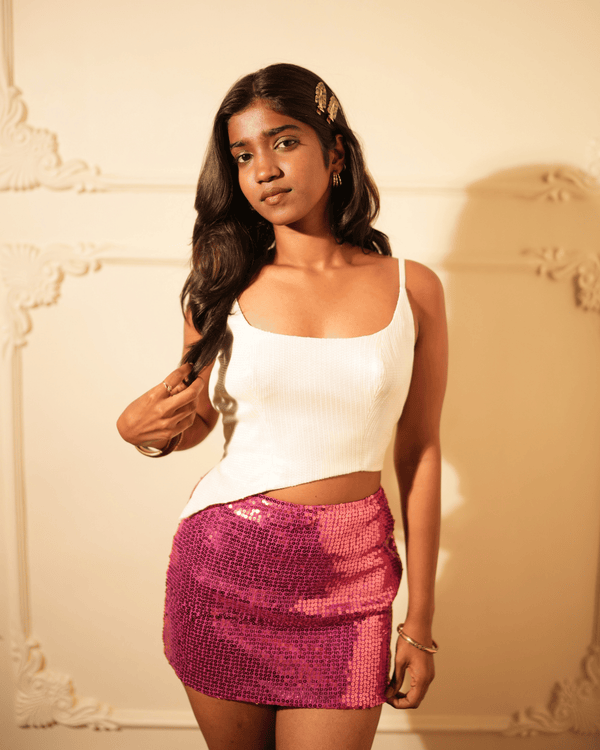
Not every synthetic is a villain. Prada turned nylon into an icon. Nike and Lululemon use technical fabrics because gym wear needs to stretch and dry fast. A touch of elastane helps a fitted tee hold its shape, and sequins add sparkle cotton cannot. The problem is not using synthetics with intention. It is passing plastic off as luxury and never telling you what is in it.
How to identify good quality fabric (and real luxury)
- What is it made of? If the brand can’t tell you clearly, that is your answer.
- How will it feel at 4 pm in June? Not in the trial room. In real Indian weather.
- Will it look better after ten washes? Natural fibres soften. Cheap blends pill.
- Would I still wear it next year? If it belongs to one trend, it is not an investment.
Natural fabric vs polyester: your questions, answered
Is polyester a type of plastic?
Yes. Polyester is a synthetic fibre made from petroleum, using the same family of chemistry as plastic bottles. It is spun into thread and woven into fabric.
Is polyester bad to wear in Indian summer?
Polyester does not absorb sweat, so it tends to trap heat and moisture against the skin. In hot, humid weather it usually feels less comfortable than cotton or linen.
Which fabric is best for summer in India?
Natural, breathable fabrics: cotton, linen and cotton-linen blends. They absorb moisture and let air pass through, which helps your body cool itself.
Cotton vs polyester: which is better?
For everyday comfort in warm weather, cotton is usually better: it breathes, absorbs sweat and softens with washing. Polyester is cheaper, dries fast and resists creasing, which is why it suits activewear.
What is quiet luxury?
Quiet luxury is clothing without loud logos, where the value lies in fabric, fit and craft. Brands like Loro Piana and The Row are known for it, and natural fibres sit at its heart.
Do clothes release microplastics?
Yes. Synthetic fabrics such as polyester and nylon shed tiny plastic fibres, called microfibres, when they are washed. Many are too small to be filtered out and reach rivers and seas.
How can I tell if clothing is good quality?
Check what the fabric is made of, look for an even, dense weave, notice how it feels after a few washes, and ask whether you will still wear it next year. Good brands state their fabrics clearly.
Fabric first. Design second.
When the founder of VANI, Apurva Sawant, started the brand, the idea was simple: no more clothes that look luxurious in photographs and feel like plastic by lunchtime.
VANI believes luxury should be felt before it is seen. Clothing is something you live in for hours, in real Indian weather, so comfort and honesty come first, and trends come second.
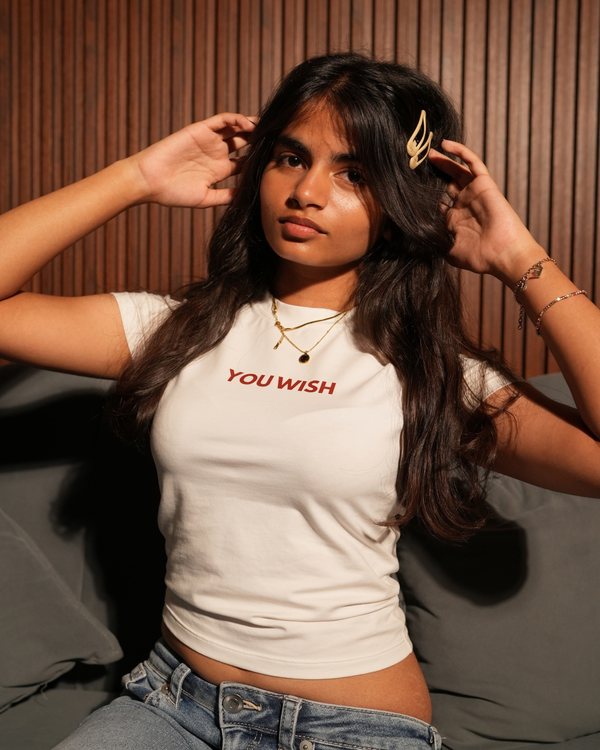
So the fabric is chosen before the sketch. Summer pieces are built around breathable cotton and linen. The baby tees are a heavy, structured cotton with just enough stretch to hold the fit. And every product page says exactly what a piece is made of and how it will feel, before you buy.
VANIDesigned in India



Real luxury doesn’t shine. It breathes.
Photographs in this story, other than VANI products, are not owned by VANI. They are sourced from Unsplash and used under the Unsplash License, which permits free use.